
Türkgücü München in Crisis as Player Boycott Deepens Club Turmoil
Türkgücü München is facing a serious internal crisis, with a player boycott, a cancelled fixture and the withdrawal of its main sponsor raising fresh questions about the club’s future. At the centre of the dispute is head coach Slaven Skeledzic, the former Bayern Munich youth-team assistant who joined the Landesliga Südost side in March.
The conflict became impossible to ignore when Türkgücü lost 6-1 to Wacker München while fielding a team made up largely of under-19 players. Several senior players who had been expected to feature instead watched from wooden benches in tracksuits. Their absence was not due to injury or selection: they were boycotting the match in protest against Skeledzic.
The players have insisted their action was aimed at the coach, not at Türkgücü itself. In a statement, they said their intention was to bring about change so the squad could once again represent the club together, with enjoyment and commitment. That distinction matters for supporters: the players say they want to keep playing for Türkgücü, even as their relationship with the coach has deteriorated.
How the dispute escalated
Reports suggest tensions had been building for weeks. A 3-0 defeat to bottom-of-the-table Eggenfelden was reportedly followed by further disagreement between the coach and players. According to reporting by Bild, some players objected to Skeledzic’s demanding approach, including early training calls for younger squad members and instances in which he allegedly shouted at players.
The disagreement then spilled into the club’s schedule. Türkgücü’s away match against VfB Hallbergmoos-Goldach, planned for the following Friday, was cancelled. Captain Burhan Bahadir told FuPa that the players had been ready to travel and had completed two training sessions without Skeledzic to prepare. He said they were stunned to learn of the cancellation through a notification from the Bavarian Football Association rather than through a direct announcement from the club.
That communication breakdown added another layer to an already tense situation. In football, a team’s preparation depends on clear coordination between players, coaching staff and officials. When players say they learned about a fixture change from the league, it raises concerns not only about the coach-player relationship but also about how the club is managing the crisis.
Club leadership backs the coach
Türkgücü’s leadership has rejected the players’ account and publicly supported Skeledzic. Chairman Ertürk Alagöz told Bild that he believed the coach had been wrongly accused, adding that he would rather shut down operations than give in to the players’ demands. Skeledzic, meanwhile, described the boycott as an excessive response.
The club’s board also issued a statement on its Instagram channel, accusing some senior players of deliberately refusing to follow match tactics during the defeat to Wacker München. According to the board, that conduct created disorder on the pitch and harmed the team. The statement blamed both the players’ actions and what it called an overheated environment surrounding the dispute.
Türkgücü warned that it could take action against those involved, saying behaviour that damages the club would not be tolerated. The language points to a dispute that could move beyond footballing disagreements and into disciplinary or legal territory. Skeledzic later said he reserved the right to take legal action against people involved in the boycott.
Sponsor withdrawal adds financial pressure
The crisis intensified when main sponsor Alagöz Holding announced that it was withdrawing its support. The move is particularly significant given Türkgücü’s history of financial instability. A sponsor departure can affect more than a club’s public image: it may also place pressure on budgets, staffing and the resources needed to complete a season.
For a club competing in the sixth tier, the timing is especially difficult. Türkgücü must now contend with uncertainty on several fronts at once: a divided squad, an unsettled coaching situation, a cancelled fixture and the loss of a major financial backer. The immediate challenge is to restore communication and decide whether the players and coach can continue working together.
Skeledzic responds to the boycott
On Monday, Skeledzic published a lengthy statement setting out his position. He described the boycott by 21 players as one of the most disappointing experiences of his coaching career and called it unjustifiable. He also argued that the size of the group did not automatically make its version of events correct.
The coach said the action had caused serious harm to both Türkgücü and him personally. He thanked the club leadership and sponsor, while reserving the right to pursue legal action against those he believes were involved. His response suggests that a quick reconciliation may be difficult unless both sides agree to an independent discussion or another process to resolve their competing claims.
A club with a turbulent recent history
Türkgücü München was formed in 2001 after the insolvency of SV Türk Gücü München. The club later climbed through the divisions, winning three consecutive league titles before reaching the 3. Liga for the 2020-21 season. Its rise was followed by a sharp setback: financial problems forced the team to stop playing during the following campaign, after 31 matchdays.
Türkgücü subsequently dropped to the Landesliga, making its current dispute more than a routine dressing-room argument. The club has already experienced how quickly financial and sporting instability can combine. With the main sponsor now withdrawing, supporters will be watching closely for signs that the present crisis could threaten the club’s ability to rebuild.
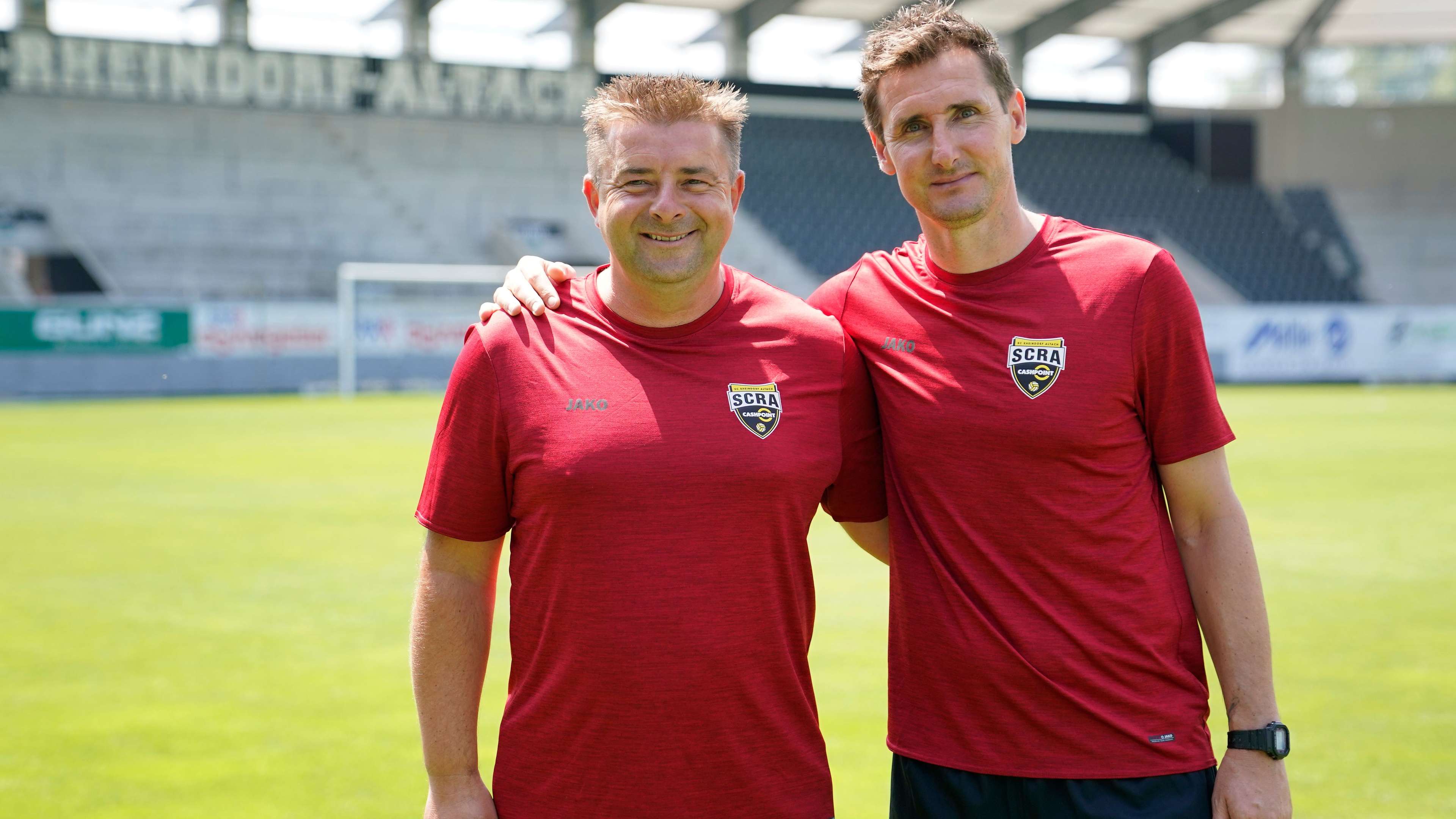
Skeledzic brings a notable background to the role. From 2018 to 2022, he worked alongside Miroslav Klose in Bayern Munich’s youth setup, including with the under-17s. He later followed Klose to Austrian club SCR Altach, where Klose began his first senior head-coaching job. Skeledzic took charge of Türkgücü at the end of March, but his experience at a major academy has not prevented a breakdown in trust at his current club.
What happens next for Türkgücü?
Any prediction about Türkgücü München’s immediate future remains uncertain. The next steps will depend on whether the board can bring the players and coach into a workable agreement, and whether the club can stabilise its finances after the sponsor’s withdrawal. If the dispute continues, further disruption to training, selection and fixtures could follow. If dialogue resumes, the club may still be able to refocus on football and protect its season.
For now, the central issue is not simply who is right in the disagreement, but whether Türkgücü can restore enough unity to compete. The club’s history shows both its capacity to rise and its vulnerability to setbacks. Supporters will be hoping that the latest crisis does not become another turning point in the wrong direction.