
Barcelona Faces International Break Challenges: A Closer Look at the Impact on Football Predictions and Team Stability
The ongoing international break has once again spotlighted the complexities and pressures faced by top European football clubs, with FC Barcelona at the center of recent concerns. As players depart for national team duties worldwide, the Catalan giants are grappling with issues related to player fitness, injury risks, and strategic adjustments. President Joan Laporta has voiced his frustrations, emphasizing the need for a balanced schedule that safeguards player health and maintains competitive momentum. This situation raises important questions about the implications for upcoming matches, football predictions, and overall team stability.
Barcelona’s Leadership Expresses Concerns Over International Break Disruptions
FC Barcelona’s club president, Joan Laporta, publicly expressed his discontent during the recent general assembly, highlighting the adverse effects that international breaks have on the team’s rhythm and preparation. Laporta emphasized the crowded football calendar, citing competitions such as the Conference League and the UEFA Nations League, which contribute to an overloaded schedule. He stated, “This break affects the rhythm of our preparations. It harms us greatly. We have to keep fighting and find the right balance.” His comments underscore the ongoing debate within football circles about the scheduling of international fixtures and their impact on club-level performance.
As Europe’s top clubs navigate these congested calendars, football prediction analysts are closely monitoring how such breaks influence team form, injury rates, and match outcomes. The potential for player fatigue and injuries becomes a critical factor in forecasting results, especially in high-stakes fixtures where team strength and player availability are decisive.
The Exodus of International Players and Its Impact on Barcelona
During this international break, a significant number of FC Barcelona’s star players have headed off to represent their respective countries. According to reports from “Marca,” a total of 17 Barcelona players are on international duty—though that number was initially 18 before Andreas Christensen’s injury. The Danish defender suffered a left thigh muscle injury, ruling him out of Denmark’s upcoming matches. Nonetheless, the remaining players are away, creating a temporary void in Barcelona’s squad and raising concerns about their readiness for upcoming fixtures.
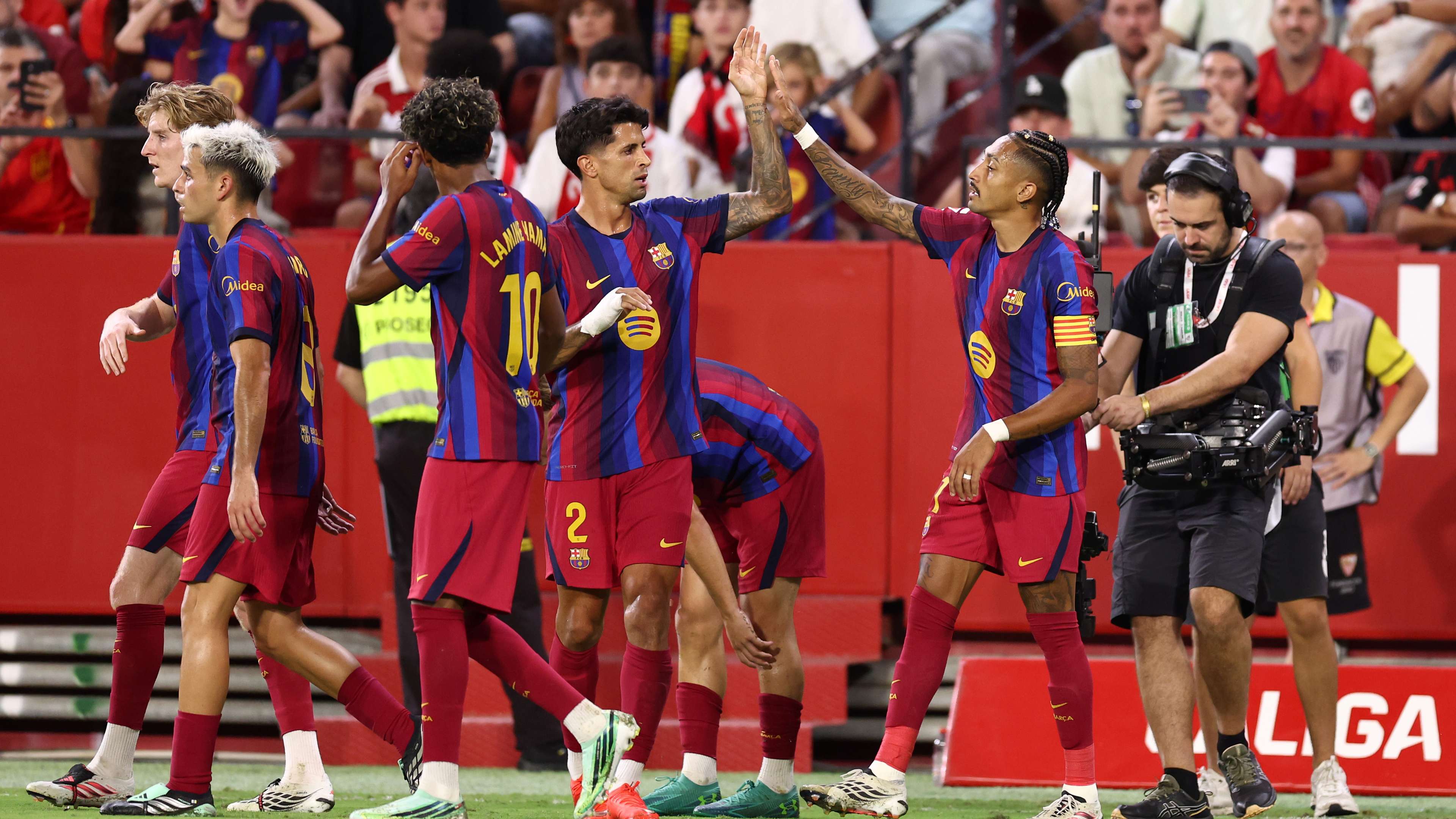
Among those called up are key figures such as Pedri and Gavi with Spain, Raphinha with Brazil, Joao Cancelo with Portugal, and others representing England, France, Egypt, and Belgium’s under-21 squad. The sheer breadth of international commitments underscores the global footprint of Barcelona’s squad and the logistical challenges involved in managing such a diverse group of players.
Injury Risks and Fitness Concerns During the International Break
The international break, while offering players valuable national team experience, comes with inherent risks—particularly injuries and fatigue. Barcelona’s coaching staff, led by head coach Hansi Flick, has expressed concern about the physical toll these matches and travel demands place on their players. Flick conveyed a cautious optimism, saying, “I feel anxious when the players leave, but I trust the national team coaches and I try to stay positive.” However, behind this positivity lies an awareness of the potential setbacks, especially given the history of injuries following international duty.
Raphinha, one of Barcelona’s brightest stars and currently in exceptional form with 14 goals in just eight matches, is a prime example of this delicate balance. Having returned from previous international trips with injuries, the Brazilian winger faces a period of rest to recover fully. His recent injury concerns are compounded by past issues, such as tendon pain during the last World Cup and a prior injury in a friendly match between Brazil and France, which sidelined him for five weeks last season.
Similarly, players like Lamine Yamal, Gavi, and Frenkie de Jong have also returned from international duty with injuries, highlighting the physical strain of international football. The extensive flights and time zone changes further exacerbate fatigue, increasing the likelihood of muscle strains, tendinitis, and other injuries. For football prediction enthusiasts, these factors are crucial when assessing team performance and match outcomes in the upcoming fixtures.
Strategic Concerns for Barcelona’s Future and Match Predictions
With many of their key players away, FC Barcelona faces a critical period of adaptation. The team’s depth and resilience will be tested as they prepare for a demanding fixture schedule once international duties conclude. The absence of influential players like Raphinha and Cancelo could influence the team’s tactical approach and, consequently, the predictions made by football analysts regarding their upcoming matches.
Moreover, the return of players from different national teams often entails a period of adjustment, as players recover physically and integrate back into team training. The coaching staff must carefully monitor fitness levels and manage workloads to prevent further injuries. This balancing act influences not only team selection but also the odds and predictions for future matches, especially in competitive tournaments like La Liga, the Champions League, and domestic cups.
Looking Ahead: The Broader Context of International Breaks in Football
While international breaks are an essential part of football’s global calendar, they are increasingly scrutinized for their impact on club football. Critics argue that they disrupt team cohesion, increase injury risk, and interfere with club preparations for key competitions. Football predictions during these periods often reflect increased uncertainty, as teams are missing their best players or fielding weakened lineups due to injuries.
For Barcelona fans and football enthusiasts, understanding the broader implications of these breaks is vital. The club’s leadership is actively seeking dialogue with international football organizations to address scheduling concerns. This ongoing dialogue aims to strike a balance that preserves the integrity of international competitions while safeguarding club interests and player health.
Final Thoughts: The Road Ahead for Barcelona and Football Predictions
As the international break concludes, FC Barcelona’s focus will be on recovery, tactical adjustments, and managing player fitness. The club’s leadership, including President Joan Laporta, remains committed to minimizing the adverse effects of these breaks. For football prediction experts, this period offers a compelling case study of how external factors—such as international commitments—can influence team performance and match outcomes.
Ultimately, the resilience of Barcelona’s squad and the strategic decisions made during this period will shape their trajectory in domestic and European competitions. Fans, analysts, and bettors alike will be watching closely, assessing how the international break’s challenges translate into results on the pitch. The coming weeks will reveal whether Barcelona can maintain their competitive edge despite these hurdles and how accurately football predictions can account for such unpredictable variables.
Stay tuned for more updates and expert analysis as Barcelona navigates this complex phase of the football season, balancing international duties with the pursuit of excellence on the club level.